Why are Jeeva Samadhis Vital for Humanity?
A Jeeva Samadhi is not a temple of a deity; it is a Living Sanctum Sanctorum. It is a portal where a Saint has consciously inverted all senses and being into a state of total awareness.
“Whatever I have learned does not belong to me. It is the knowledge shared by so many Saints in their Jeeva Samadhis through non-verbal communication.”
— HH Saint Sundar
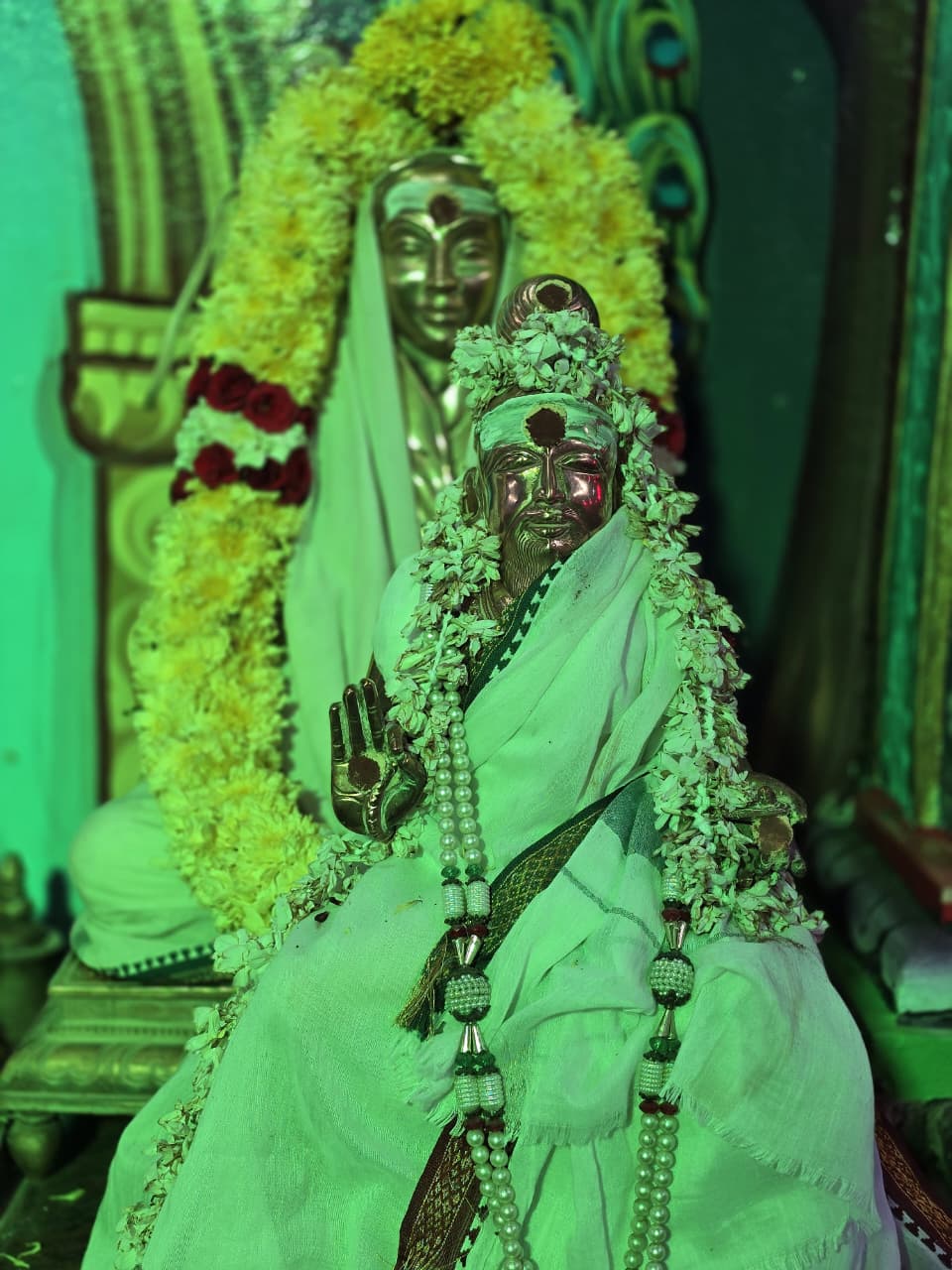
Important Points to Remember: Jeeva Samadhis are…
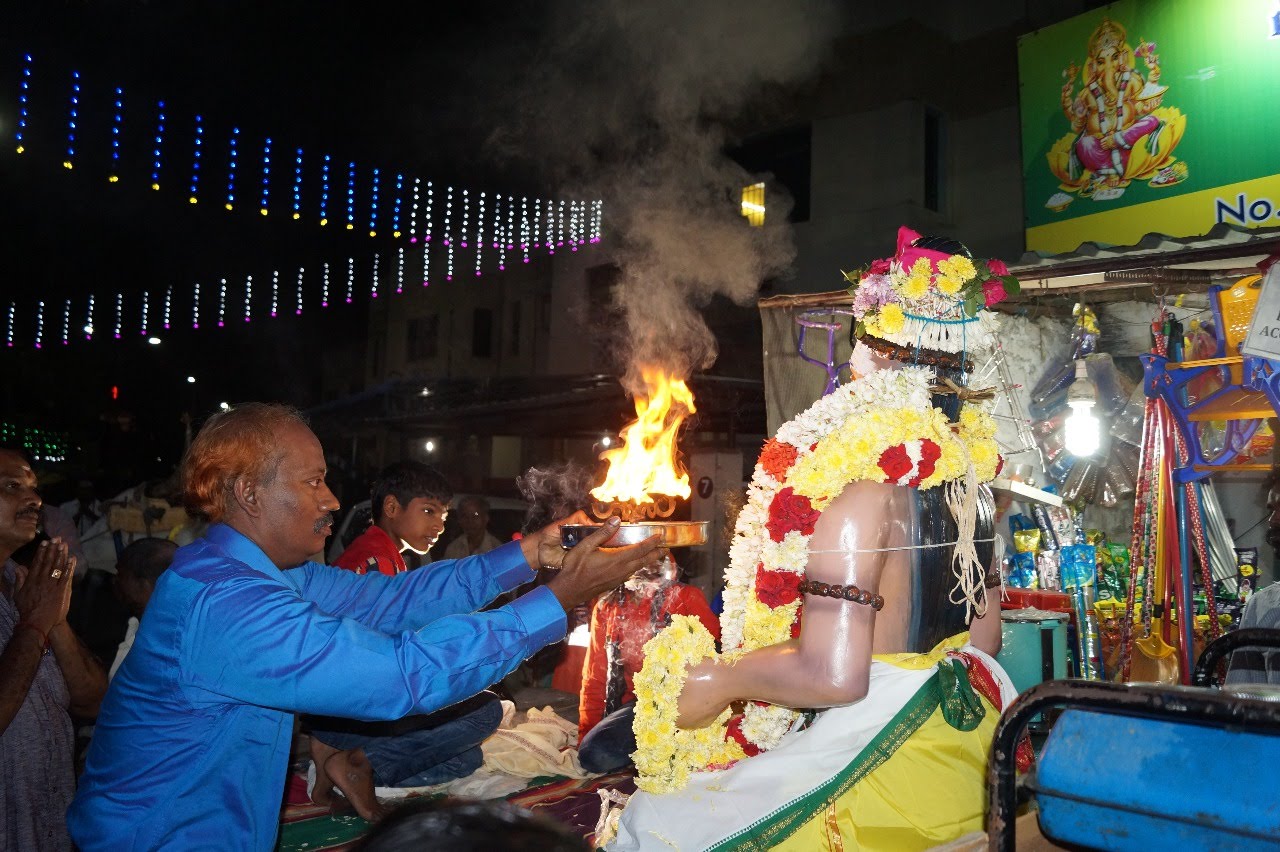
- A Flame of Consciousness: This eternal flame remains active to guide seekers toward their own reality over the long course of time.
- Portals to Other Dimensions: These are holy places where we can transcend time to uncover spiritual secrets of the past, including insights into the Naga Lokam, Deva Lokam, and the evolution of human consciousness.
- Unlocking the Subtle Doors: Meditating at a Jeeva Samadhi can open “inner doors” of consciousness that even a lifetime of personal Tapas (austerity) might not unlock.
- A Living Example: The Jeeva Samadhi of Sri Ramanuja at Srirangam stands as a testament even today. Devotees can witness his physical body, where the nails and hair continue to grow, centuries after he entered Samadhi.